
Solar PV Modules: Features, Applications, and Working Principle
PV Module
Solar PV modules are devices that convert sunlight into electricity. They are an essential component of a solar power system and are widely used to produce clean and renewable energy. Solar modules are made up of photovoltaic cells that are arranged in series to produce higher voltage and parallel to increase the current.
Features of Solar PV Modules
Durability
Solar PV modules are made of high-quality materials and are designed to withstand harsh weather conditions, making them highly durable. They are resistant to extreme temperatures, wind, and hail, making them ideal for use in any climate
Efficiency
Solar PV modules have high efficiency ratings, which means they can convert more sunlight into electricity. The higher the efficiency of the module, the more energy it can produce, making it an ideal choice for residential and commercial applications.
Portability
Solar PV modules are lightweight and easy to install, making them ideal for use in remote locations. They can be used for off-grid applications, where there is no access to the electricity grid.
Cost-effective
Solar PV modules are cost-effective, as they do not require any fuel or other inputs to generate electricity. They also come with long-term cost savings, as they reduce the need for expensive power plants and reduce the amount of energy that needs to be purchased from the grid.
Working Principle of Solar PV Modules
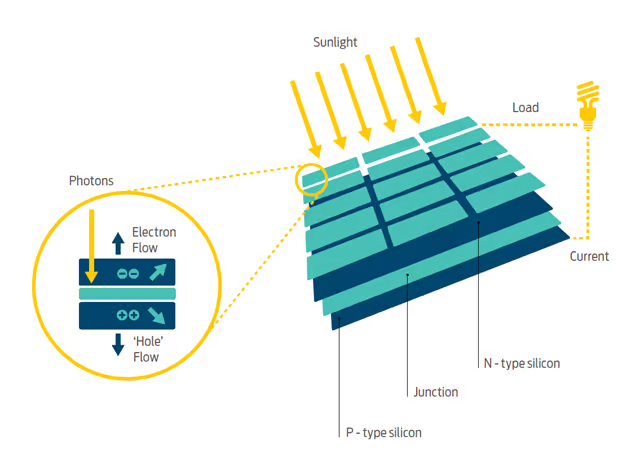
Solar PV modules work on the principle of photovoltaic effect, which is the process of converting sunlight into electricity. When sunlight hits the photovoltaic cells, it releases electrons, which flow through the circuit and generate a current. This current is then used to power electrical devices and charge batteries.
The photovoltaic cells in solar PV modules are made of silicon, which is a material that is highly efficient at converting sunlight into electricity. The cells are connected in series and parallel to increase the voltage and current, respectively. The resulting electrical output is then used to power electrical devices and charge batteries.
Applications of Solar PV Modules
there are two types of photovoltaic systems:
Residential and Commercial Use
Solar PV modules are widely used for residential and commercial applications. They are used to power homes, businesses, and industrial facilities. They are a cost-effective solution for reducing energy costs and providing clean energy.
Remote Locations
Solar PV modules are ideal for use in remote locations, where there is no access to the electricity grid. They can be used to power remote communication systems, lighting systems, and other essential services.
Agricultural Applications
Solar PV modules are widely used in agriculture, as they provide a clean and renewable energy source for irrigation systems, water pumping, and other farm operations.
Power Stations
Solar PV modules are used in large-scale power stations, where they are used to generate electricity for the grid. They are an essential component of utility-scale solar power projects, which provide clean and renewable energy to communities.
Types of Solar PV panels
There are many types of solar panels on the market, but the most efficient solar panels are monocrystalline and polycrystalline solar panels.
N-type
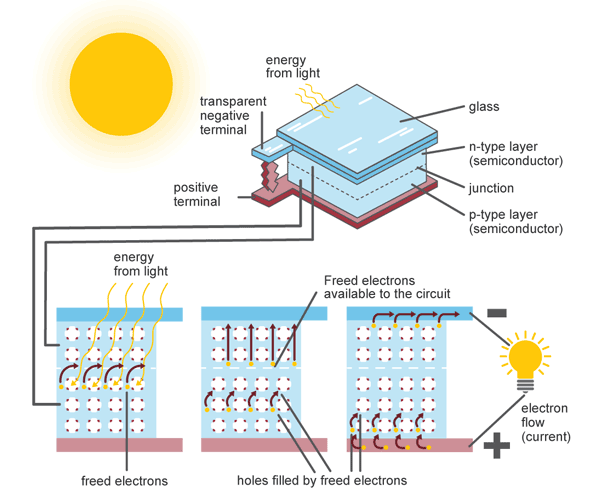
N-type and P-type refer to the two main types of semiconductor materials used in solar cells. The key difference between them lies in how they are doped, or intentionally contaminated, with other elements to give them desired electrical properties.
N-type semiconductors are doped with elements that have more valence electrons, like phosphorus or arsenic. This gives the material an excess of free electrons. P-type semiconductors are doped with elements that have fewer valence electrons, like boron or gallium. This gives the material a deficit of electrons, resulting in more “holes” where electrons could exist.
Polycrystalline Solar Panels
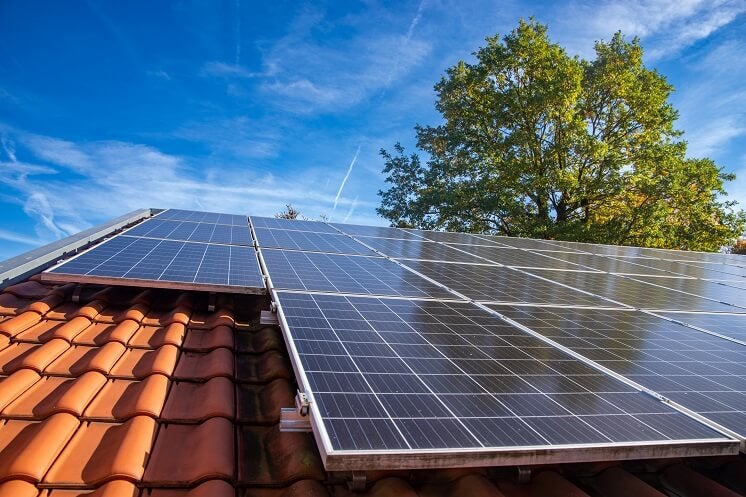
Multiple silicon crystals are used to make polycrystalline solar panels. This results in a less uniform structure than monocrystalline panels, but they are still considered very efficient. They have an efficiency rate of around 12-15%, making them a popular choice among homeowners and businesses. They are also less expensive than monocrystalline panels, making them a more affordable option for those on a budget.
Monocrystalline Solar Panels
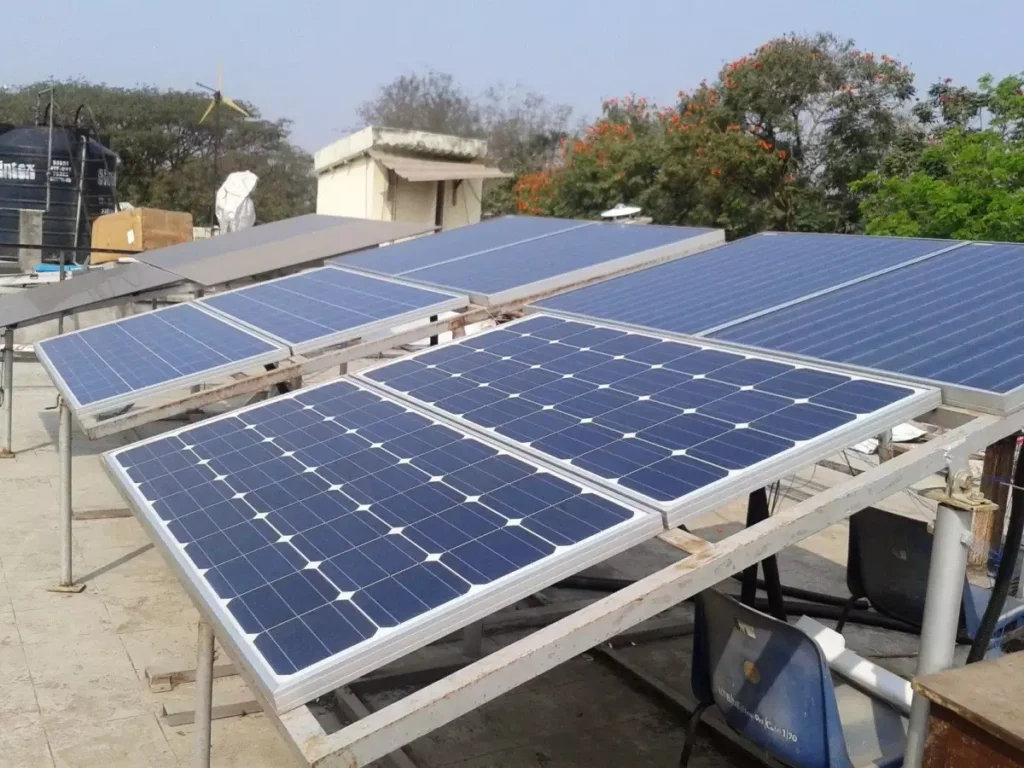
A monocrystalline solar panel is made from a single crystal of silicon. This allows for a uniform and consistent structure which results in the highest efficiency of all solar panels. They are also the most expensive type of solar panel on the market, but their high efficiency and long-term durability make them a great investment. Monocrystalline solar panels have an efficiency rate of around 15-20%.