
Battery Modules
Battery module
A battery module is an assembly consisting of one or more battery cells and often includes additional components such as sensors, protection circuits and cooling. The battery cells can be connected in series or parallel to achieve a higher voltage or capacity. The battery module housing protects the cells from external influences and can be made of metal, plastic or other materials.
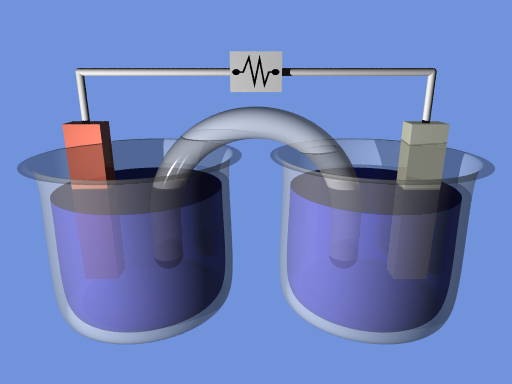
How Do Battery Modules Work?
Battery module works by converting the chemical energy stored in the battery cells into electrical energy, which can be used to power various devices. The electronics and mechanical components in the battery modules are help to monitor and control the battery’s performance, ensuring that it operates safely and efficiently.
Applications of Battery Modules:
Battery modules have a wide range of applications, from powering electric vehicles to storing renewable energy. They are also used in backup power systems, military equipment, and aerospace applications.
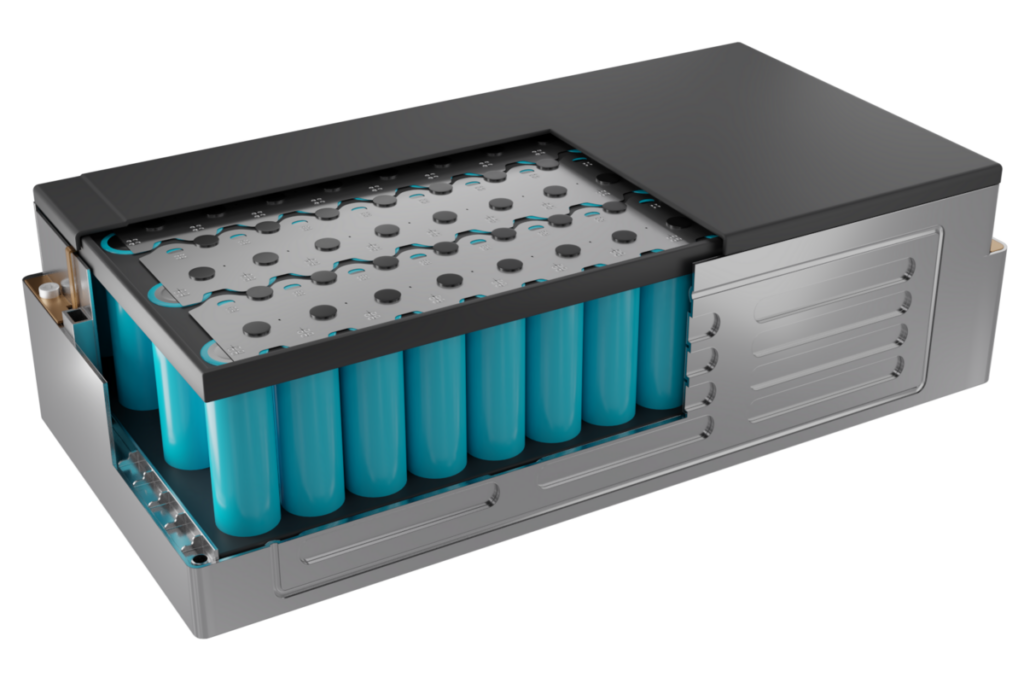
Different Types of Battery Modules:
There are several types of battery module available in the market, each with its own advantages and disadvantages. Some of the most common types include:
Lithium-Ion Battery Modules
Lithium-Ion battery module is the most widely used type of battery module today. They have a high energy density, which means that they can store a lot of energy in a relatively small size. They are commonly used in electric vehicles.
Nickel-Metal Hydride Battery Modules
Nickel-Metal Hydride battery module is commonly used in hybrid electric vehicles. They have a high energy density and can deliver high power output. They are also relatively inexpensive and have a long lifespan.
Flow Battery Modules
Flow battery module is a type of rechargeable battery that uses two different electrolytes to store energy. They are commonly used in large-scale energy storage systems, where they can provide long-duration energy storage.
Lead-Acid Battery Modules
Lead-Acid battery module is commonly used in backup power systems and for starting engines in automobiles. They are relatively inexpensive and have a high power output, but they are heavy and require regular maintenance.